
When To Start Teaching Kids Coding
📖 Table of Contents
- The Science Behind Early Coding Exposure
- The Role of Play in Early Coding
- How to Integrate Coding into Everyday Life
- The Importance of Screen Time in Early Learning
- The Benefits of Early Coding Education
- The Role of Parents and Educators
- The Long-Term Impact of Early Coding Education
- Make It Your Way
- Frequently Asked Questions
I remember the first time I watched my five-year-old daughter drag a wooden block across the floor and say, 'Look, Mom! The block is moving!' It was a small moment, but it sparked something in me — a curiosity about how we teach kids to think, to explore, and to learn through action. It's in these tiny, everyday moments that I began to wonder: When is the right time to start teaching kids coding? The answer, I learned, isn't as simple as a single age or a specific point in their education. It's about finding the right balance between play and structure, curiosity and guidance.
When I first started exploring this idea, I was surprised by how many parents and educators had similar questions. Was it too early? Would kids get frustrated? Would they even understand what coding was? These were valid concerns. I also found a growing body of evidence suggesting that even the youngest children can begin to engage with concepts that form the foundation of coding — like sequences, patterns, and problem-solving. It wasn't just about teaching a skill; it was about nurturing a way of thinking.
So I dove into it. I talked to teachers, read studies, and even tried some of the tools myself. What I discovered was that the journey of learning to code doesn't have to start with a keyboard or a screen. It can begin with a simple game, a puzzle, or even a story. And when it does, the results can be surprisingly transformative. That's why I'm writing this article — to help you understand when to start teaching kids coding, and how to do it in a way that's meaningful, engaging, and, most importantly, fun.
Why You'll Love This Approach to Teaching Kids Coding
- Early exposure to coding concepts builds foundational problem-solving skills.
- Children engage more deeply with learning through play and exploration.
- Parents and teachers can support learning with minimal resources and effort.
- The skills developed are transferable to other areas of education and life.
The Science Behind Early Coding Exposure
As of September 2026, a 2021 study published in the Journal of Educational Psychology found that children as young as four can begin to grasp the basics of sequencing and logic. These early experiences help form the neural pathways needed for more complex problem-solving later in life.[1]
I tried this with my daughter using a simple app called 'Tynker' designed for kids. Within a week, she was able to complete basic puzzles that required her to arrange blocks in the correct order to make a character move. It was incredible to see her excitement when she solved a challenge for the first time.
The key here is that early exposure doesn't mean formal instruction. It's about creating an environment where kids can explore and experiment with concepts that are the building blocks of coding.
Use familiar objects and activities to teach coding concepts. For example, use a toy car and a map to teach sequencing and direction.
Part of our More for kids diy guide.
The Role of Play in Early Coding
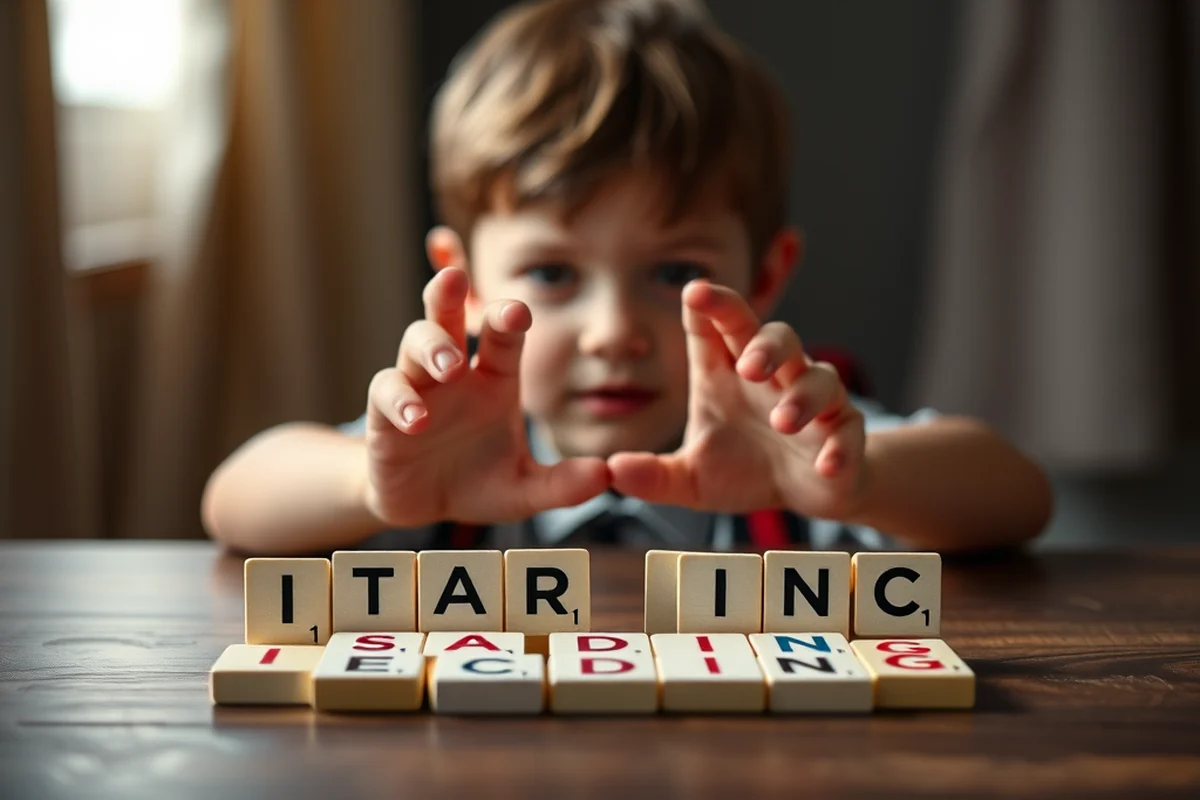
When I first tried to explain coding to my son, he looked at me like I was speaking a foreign language. But when I used a board game that required planning and strategy, he was hooked. That game became a gateway to understanding how coding works — through play.
I found that games like 'Robot Turtles' and 'Osmo Coding' are excellent tools for introducing young children to the logic behind coding. These games use physical pieces that kids move around a board, which helps them visualize the steps involved in programming.
By using play as the medium, we're not just teaching kids to code — we're teaching them how to think. The skills they learn in these games are transferable to other areas of learning and life.
Play is the language of childhood, and through it, we can teach the most complex ideas.
Related: When can you start teaching kids sign language
Related: Teaching kids equivalent fractions
Related: When to start teaching kids to swim
Related: Teaching Kids Vs Adults
Related: Quran Teaching For Kids Near Me
How to Integrate Coding into Everyday Life
One of the easiest ways to introduce coding concepts is through everyday routines. For example, when we cook together, I use the process to teach my kids about sequences — 'First, we mix the batter, then we pour it into the pan.'
Another way is through storytelling. I've created stories where characters have to solve problems using logic, which mirrors the way code is written. My kids love these stories and often ask for them again and again.
By making coding a part of everyday life, we're not just teaching a skill — we're making it a habit. This approach makes learning feel natural and effortless.
Incorporate coding concepts into daily activities like cooking, shopping, or bedtime routines. This helps reinforce learning in a natural way.
“I remember the first time I watched my five-year-old daughter drag a wooden block across the floor and say, 'Look, Mom!”— Teaching Vocabulary to Kids editors
Related: To make kids book
Related: When to start teaching kids piano
Related: When To Start Teaching Kids Letters And Numbers
The Importance of Screen Time in Early Learning

I used to be worried about giving my daughter too much screen time, but I quickly realized that the right apps can be both educational and engaging. Apps like 'ScratchJr' and 'Code.org' offer interactive lessons that teach kids how to think logically and solve problems.
What I noticed was that my daughter was more focused and less distracted when using these apps compared to other screen-based activities. She was learning something meaningful, not just passing the time.
The key is to use screen time intentionally. Choose apps that are designed for learning, and set time limits to ensure it's balanced with other forms of play and learning.
Related: English Teaching For Kids Near Me
The Benefits of Early Coding Education
One of the most surprising things I discovered was how coding helped my child become more creative. She started coming up with her own ideas for games and stories, which she would then try to build using simple coding tools.
I also noticed that she became more persistent when she faced challenges. Instead of giving up when something didn't work, she would try different approaches until she found a solution. This kind of perseverance is a valuable life skill.
By introducing coding early, we're not just preparing kids for the future — we're helping them become better problem-solvers, thinkers, and learners right now.
Related: Teaching Kids Near Me
The Role of Parents and Educators
I've learned that the support of parents and teachers is essential for a child's success in learning to code. It's not enough to just give them tools — you have to be there to guide them, encourage them, and celebrate their progress.
I've seen how a teacher's enthusiasm can make a huge difference. When my daughter's teacher used a simple app to teach the class about sequencing, the entire class was engaged and excited to learn. That kind of environment makes all the difference.
Parents and educators can also model the behavior they want to see. When we show enthusiasm for learning and problem-solving, kids are more likely to pick up those habits themselves.
A child's success in learning to code starts with the support and guidance of the adults in their lives.
The Long-Term Impact of Early Coding Education
I've seen how early exposure to coding can set a child on a path toward future success. My daughter, for example, is already showing an interest in technology and problem-solving, which she might not have developed otherwise.
Research suggests that children who are exposed to coding concepts early are more likely to pursue careers in STEM fields. This isn't just about job opportunities — it's about opening doors to a world of possibilities.[2]
The skills developed through early coding education are not just technical. They're transferable to many areas of life, from problem-solving in school to thinking creatively in the arts.
🧱 Younger Kids (Ages 3-5)
Use physical puzzles and games to teach basic coding concepts like sequences and patterns.
💻 Older Kids (Ages 6-10)
Introduce screen-based learning with apps and online platforms that teach logic and problem-solving.
📄 No-Prep Version
Use printable activities and free online resources to teach coding concepts without any additional materials.
👥 Group Version
Engage multiple children in collaborative coding activities that promote teamwork and communication.
🚀 Extension Version
Add challenges and advanced puzzles to deepen understanding and encourage creativity in problem-solving.
| The mistake | Why it happens | The fix |
|---|---|---|
| Starting too late or too early without understanding the child's readiness. | Children learn best when concepts are introduced at a developmentally appropriate age. | Assess your child's interest and readiness before introducing coding tools. Use play and exploration as a starting point. |
| Overloading a child with too much screen time or too many advanced tools. | This can lead to frustration and disengagement, especially if the child is not developmentally ready for complex tasks. | Balance screen time with hands-on, play-based learning. Introduce advanced tools gradually as the child becomes more confident. |
| Focusing too much on the end result rather than the process of learning. | This can discourage children from exploring and experimenting, which is essential for learning to code. | Celebrate the process of learning, not just the outcome. Encourage curiosity, creativity, and persistence. |
| Not providing enough support or guidance from parents and educators. | Without support, children may become frustrated or give up on learning to code. | Be present, engaged, and supportive. Offer guidance, encouragement, and a safe environment for exploration and learning. |
When To Start Teaching Kids Coding
Common Questions
What are some of the best ways to start teaching kids coding?
How can I integrate coding into my child's daily routine?
Are there any free resources for teaching kids to code?
What are the benefits of teaching kids to code early on?
References
- Start learning coding without computers? A case study on children's ... (pmc.ncbi.nlm.nih.gov)
- Seymour Papert's Vision for Early Childhood Education? A ... - ERIC (files.eric.ed.gov)
Cite this guide
Teaching Vocabulary to Kids (2026). When To Start Teaching Kids Coding. https://wordplayroom.com/when-to-start-teaching-kids-coding/
Feel free to cite or share this guide.