
How To Teach Kids To Read At Home
📖 Table of Contents
I remember the first time I sat down with my daughter to read a book — she was four. We were reading 'Green Eggs and Ham' in the kitchen, with a bowl of cereal nearby. It was my first real attempt at teaching her to read, and I was nervous. I had no training, no resources, and no idea what I was doing. But I had one thing: a child who loved stories and a book that I thought might be simple enough for her to follow.
That day didn't go perfectly. We read one page, and she got distracted by the cereal. I felt defeated. But the next day, I tried again, and I noticed something: she was already recognizing some of the words. That tiny moment was a turning point. It was the first time I realized that reading wasn't about perfection — it was about connection, repetition, and a little bit of magic.
Since that moment, I've learned a lot about how to teach kids to read at home. It's not about flash cards or expensive software. It's about finding what works for your child, being consistent, and creating a joyful, shared experience. In this article, I'll share everything I've learned — from the best books for beginners to the simplest techniques that actually work.
Why You'll Love This Approach
- You don't need a degree to help your child read — just consistency and love.
- These methods work for kids of all learning styles and abilities.
- They build confidence and a lifelong love of reading.
- You'll see real progress in just a few weeks.
Start With the Right Books
As of September 2026, when I first started reading with my daughter, I made the mistake of picking a book that was too difficult. She got frustrated and gave up. Then I learned the 'five-finger rule': hold up your hand and point to a page. If your child can read five words on the page, it's the right level. I started using this method and saw a big difference in her engagement.
Books that are too hard can discourage a child. Books that are too easy can lead to boredom. Finding the right balance is key. I recommend starting with books that have simple sentences and a lot of pictures. These books help children make connections between words and images, which is crucial in early reading development.[1]
One of the best books we used was 'Brown Bear, Brown Bear, What Do You See?' by Bill Martin Jr. And Eric Carle. It has repetitive language, bright colors, and simple vocabulary. My daughter loved it, and it helped her recognize colors and animals while building her reading skills.
Hold up your hand and point to a page. If your child can read five words on the page, it's the right level.
Make Reading a Shared Experience
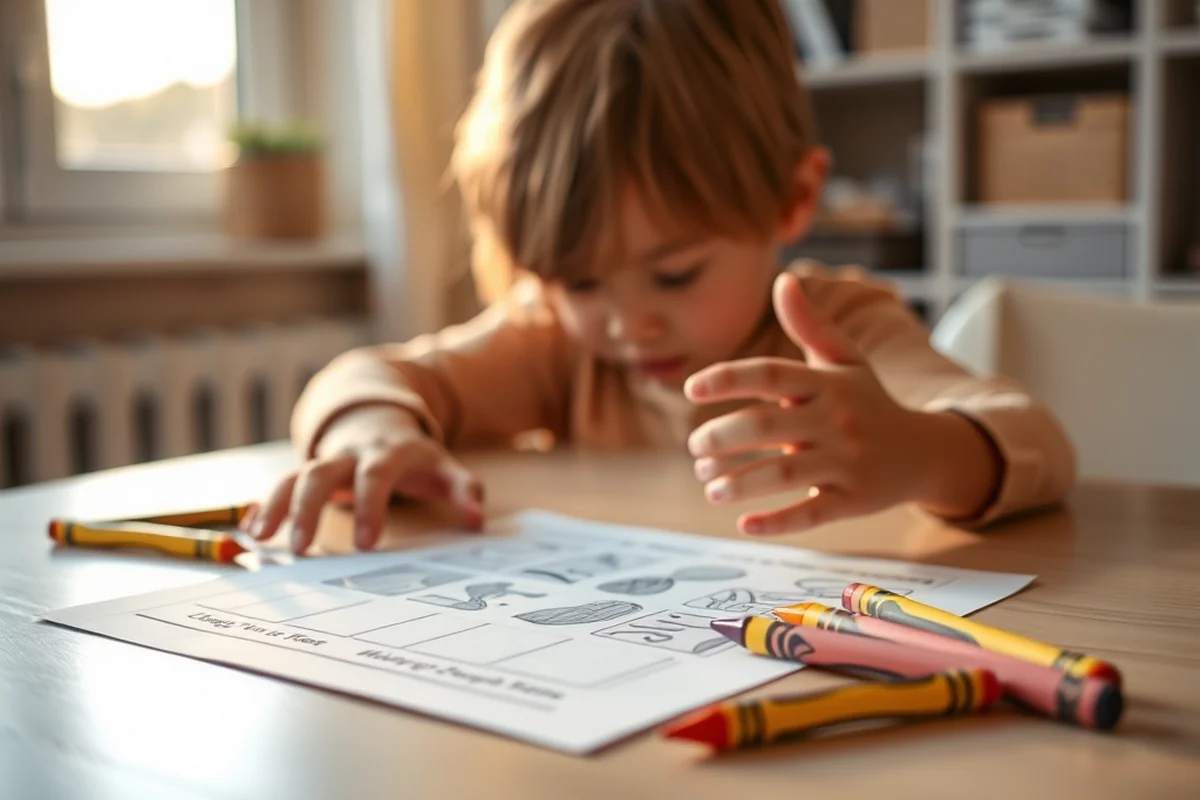
I used to think that reading was something I did for my child, but I quickly realized that it's something we do together. When we read, I make sure to stop and talk about the pictures, the words, and the story. This helps my child see reading as a conversation, not just a task.
One of the best ways to make reading a shared experience is to read aloud. I read with a lot of expression, using different voices for different characters. This makes the story more engaging and helps my child pick up on the rhythm and flow of language.
I also make sure to ask questions as we read. I ask things like, 'What do you think will happen next?' or 'How do you think the character is feeling?' These questions help my child think critically and make connections with the story.
Reading together is not just about words — it's about connection.
Related: Microsoft word lesson plan template
Related: Word lesson plan template
Related: Free word lesson plan template
Related: Another word for learn
Use Everyday Objects to Teach Reading
I've learned that the best reading lessons often happen in the kitchen, the park, or on a walk. When we're cooking, I point out words on the packaging and talk about ingredients. When we're outside, I name plants and animals and talk about how they're spelled.
I once used a pizza box to teach my daughter about letters. I cut out letters from magazines and pasted them onto the box to spell simple words like 'cat' and 'dog.' She loved it. It helped her recognize letters in a fun, hands-on way.
Using everyday objects to teach reading makes learning more natural and less intimidating. It also helps children see that reading is a part of their everyday lives, not just something they do in school.
Use objects around you — like a pizza box, a grocery list, or a street sign — to teach reading in a fun and interactive way.
“I remember the first time I sat down with my daughter to read a book — she was four, and we were reading 'Green Eggs…”— Teaching Vocabulary to Kids editors
Related: How to teach vocabulary to kids
Create a Reading Routine
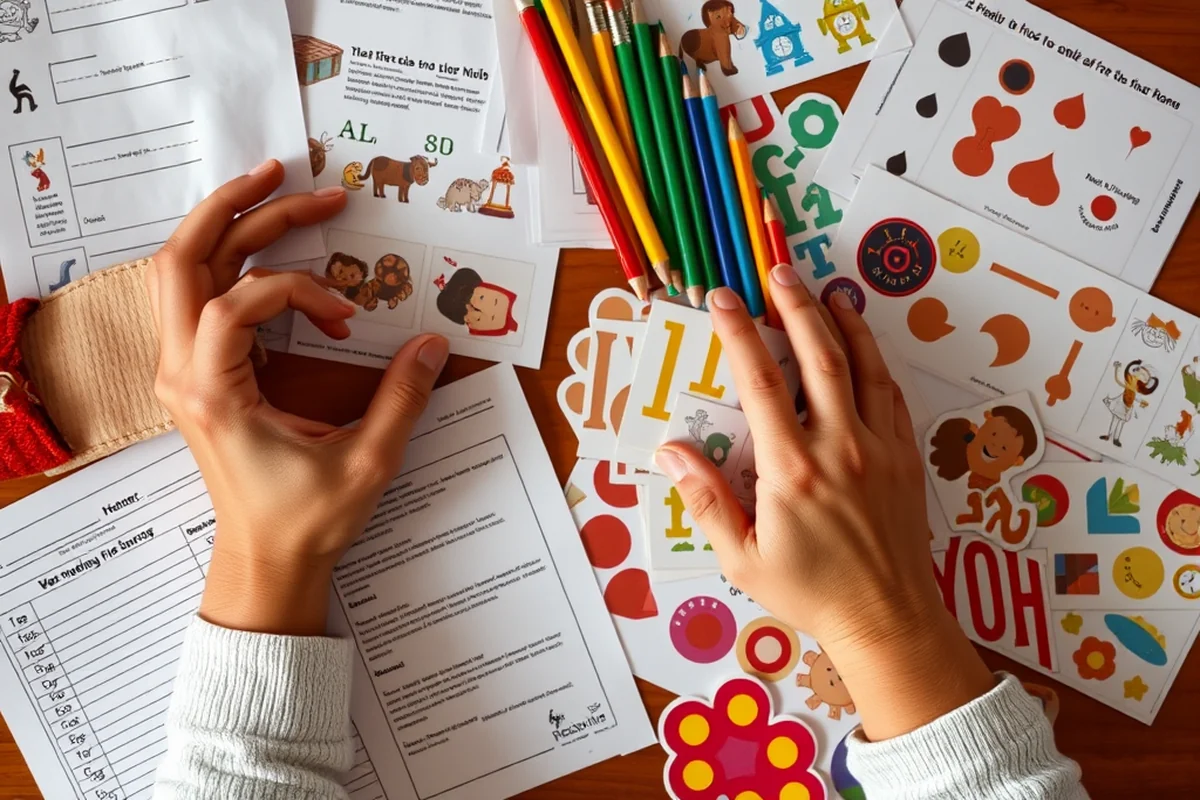
I used to try to read with my daughter at random times, but it didn't work well. She got distracted, and I didn't see much progress. Then I created a daily reading routine — we read for 15 minutes every evening before bed. This simple habit made a huge difference in her reading skills.
I recommend starting with a short routine — just 10 to 15 minutes a day — and being consistent. Over time, you can increase the length of your reading sessions as your child becomes more comfortable with reading.[2]
Consistency is the most important factor in teaching kids to read at home. A regular routine helps your child develop a habit of reading and builds confidence over time.
Make Reading Fun with Games
One of the best ways to teach reading is through games. I created a simple game where we take turns finding words on a page and reading them out loud. It's a fun way to practice recognition and pronunciation.
We also use letter cards to play matching games. I put the letters face down and let my daughter flip them over to find matching pairs. This helps her recognize letters and build phonemic awareness.
Games make reading feel less like a chore and more like a fun activity. They help children stay engaged and motivated to learn.
Encourage Your Child to Read Aloud
I used to read all the words myself, but I quickly realized that my daughter needed to practice reading on her own. So I started letting her read aloud — even if she made mistakes. It was awkward at first, but it helped her build confidence and fluency.
I recommend letting your child read aloud even if they make mistakes. Mistakes are a natural part of learning. When my daughter made a mistake, I would gently correct her and encourage her to try again.[3]
Reading aloud helps children develop a sense of rhythm and flow in language. It also helps them build confidence and a love for reading.
Letting your child read aloud, even with mistakes, builds confidence and fluency.
Celebrate Progress and Keep It Positive
I used to focus too much on the mistakes my daughter made while reading. I realized that this was making her feel discouraged. So I started celebrating her progress — even if it was just recognizing one new word.
I recommend giving your child praise and encouragement whenever they make progress. When I saw my daughter recognize a new word, I would say something like, 'You did great! I'm so proud of you!' This helped her feel confident and motivated.
Celebrating progress keeps your child excited about reading. It helps them see that they're making progress and that their efforts are paying off.
📚 Younger Kids (Ages 3-5)
Use picture books, simple stories, and interactive activities to build early reading skills.
📖 Older Kids (Ages 6-8)
Use chapter books, reading comprehension exercises, and writing prompts to build fluency and vocabulary.
✨ No-Prep Version
Use books you already own and set aside 10-15 minutes each day for reading without any additional planning.
👥 Group Version
Read with siblings or friends to make reading a social activity and encourage peer learning.
🚀 Extension Activity
After reading, have your child draw a picture or write a short story about the book to reinforce learning.
| The mistake | Why it happens | The fix |
|---|---|---|
| Choosing books that are too hard for the child. | Books that are too hard can discourage a child and make them feel frustrated or defeated. | Use the 'five-finger rule' to choose books that are just right for your child's reading level. |
| Reading only during school hours or in a strict routine. | Reading should be a fun and natural part of daily life, not just something that happens during school or in a strict routine. | Make reading a part of your everyday life — read during meals, on walks, or while doing chores. |
| Focusing too much on mistakes and not enough on progress. | Focusing too much on mistakes can make a child feel discouraged and lose confidence in reading. | Celebrate small victories and focus on the progress your child is making, even if it's just recognizing one new word. |
| Not being consistent with reading time. | Inconsistent reading time can make it difficult for a child to develop a habit of reading and build confidence over time. | Create a regular reading routine — even if it's just 10-15 minutes a day — and be consistent. |
How To Teach Kids To Read At Home
Common Questions
How long should I read with my child each day?
What should I do if my child is not interested in reading?
Can I teach my child to read even if I'm not a good reader myself?
What if my child makes a lot of mistakes while reading?
References
- Early Childhood Assessment: Why, What, and How? (acf.gov)
- Active Home Literacy Environment: parents' and teachers ... - PMC (pmc.ncbi.nlm.nih.gov)
- Read at Home Plan Family Guide - Kentucky Department of Education (education.ky.gov)
Cite this guide
Teaching Vocabulary to Kids (2026). How To Teach Kids To Read At Home. https://wordplayroom.com/how-to-teach-kids-to-read-at-home/
Feel free to cite or share this guide.