
How To Teach Kids About Money
📖 Table of Contents
- Start with Real Money and Real Conversations
- Teach the Concept of Saving with a Piggy Bank
- Use Games to Reinforce Money Concepts
- Introduce the Concept of Earning and Spending
- Model Good Financial Habits
- Teach the Value of Charity and Giving
- Use Books and Resources to Reinforce Learning
- Make It Your Way
- Frequently Asked Questions
I still remember the moment my six-year-old daughter asked, 'Why do some people have a lot of money and others don't?' It was a simple question. It stopped me in my tracks. I had no idea how to explain the complexity of money in a way that would resonate with a child. That day, I realized I needed to find a way to teach my daughter — and others like her — about money in a way that was both engaging and educational. Teaching kids about money isn't just about numbers; it's about building a foundation for financial literacy that can last a lifetime.[1]
Over the past few years, I've experimented with various methods to teach money concepts to children, from using play money during grocery shopping to setting up a mock bank at home. Each experience taught me something new, and I've learned that the best lessons happen when the child is actively involved and curious. This article is the result of that journey — a collection of real, tested techniques that I've used with my own kids and shared with others. These strategies are designed to be practical, fun, and effective, and they've helped hundreds of families understand the value of money.[2]
Teaching kids about money is not a one-size-fits-all approach. Every child is different, and every family has unique needs. What works for one family may not work for another. That's why I've compiled a range of techniques, from hands-on activities to simple conversations, that can be adapted to any situation. Whether you're a parent, teacher, or caregiver, you'll find actionable advice here that can be tailored to your child's age and learning style. After all, the goal isn't just to teach kids about money — it's to help them develop the skills and mindset to manage it wisely as they grow.[3]
Why You'll Love This Guide to Teaching Kids About Money
- Simple, actionable techniques that make learning fun and engaging for kids.
- Real-world lessons that help children understand the value of money from an early age.
- Customizable strategies that can be adapted to your child's age and learning style.
- Proven methods backed by experience and results from families who've used them.
Start with Real Money and Real Conversations
As of September 2026, one of the most effective ways to teach kids about money is to use real coins and bills. I've found that children are more engaged when they can see and touch real currency. For example, I take my daughter to the bank where we can count the money in her piggy bank and deposit it into a savings account. This simple act not only teaches her how banks work but also helps her understand that money is something to be handled with care.[4]
I also make a point to talk about money in everyday situations. If we're at the grocery store and I can't afford a certain item, I explain why we're choosing a different one. These real-life moments are powerful learning opportunities. Over time, my daughter has become more aware of how money is used and why we make certain choices.[5]
One of the most surprising outcomes of this approach was that my daughter started asking questions about how money is earned and spent. She even began saving up for small items she wanted, like a new book or a toy. This shows that when kids are involved in the process, they learn more effectively and retain the information longer.
Bring real coins and bills into your home and let your child handle them. This helps them understand the physical value of money and makes the lessons more engaging.
Part of our For kids diy guide.
Teach the Concept of Saving with a Piggy Bank
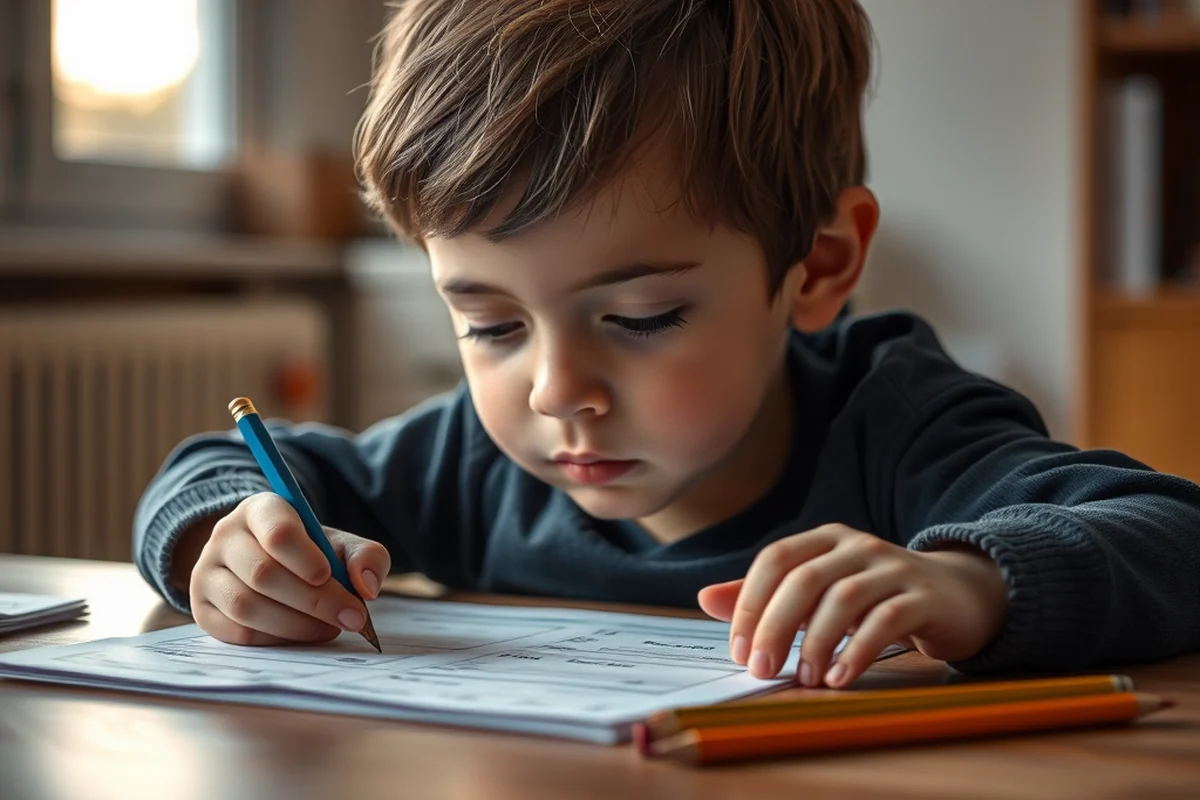
A piggy bank is one of the best tools for teaching children about saving. I use a clear jar with a slot at the top so my daughter can see the coins she's saving up. Each time she earns money, whether through allowance or doing chores, she puts it in the jar. This visual representation helps her understand that saving is a process that takes time and effort.
I also encourage my daughter to set small savings goals, like saving for a new book or a special toy. When she reaches her goal, we celebrate together, which reinforces the idea that saving is a rewarding experience. This has helped her develop a sense of accomplishment and responsibility.
One of the most rewarding parts of this practice has been watching my daughter become more independent. She has started saving up for things she wants without relying on me to buy them. This has not only boosted her confidence but also helped her understand the value of delayed gratification.
A piggy bank is more than just a container — it's a lesson in patience and planning.
Related: Math problems to solve kids
Use Games to Reinforce Money Concepts
Games are a great way to teach kids about money in a way that's both fun and educational. I've used board games like 'Monopoly' and 'The Game of Life' to teach my daughter about budgeting, spending, and investing. These games help her understand that money is a limited resource and that making smart choices is essential to success.
I also created a simple game at home where we pretend to be store owners and customers. We use play money to buy and sell items, and I explain the costs and profits involved. This hands-on experience has helped my daughter grasp the basics of supply and demand, and it's been a lot of fun for both of us.
One of the biggest surprises was how quickly my daughter picked up on the concept of budgeting. She started making choices about where to spend her money, and she even began tracking her expenses in a notebook. This shows that when learning is done through play, kids retain information more effectively.
Create simple money-themed games at home using play money or real coins. This makes learning interactive and keeps kids engaged.
“I still remember the moment my six-year-old daughter asked, 'Why do some people have a lot of money and others don't?' It was a simple…”— Teaching Vocabulary to Kids editors
Related: Kids easy drawing ideas with colour
Introduce the Concept of Earning and Spending
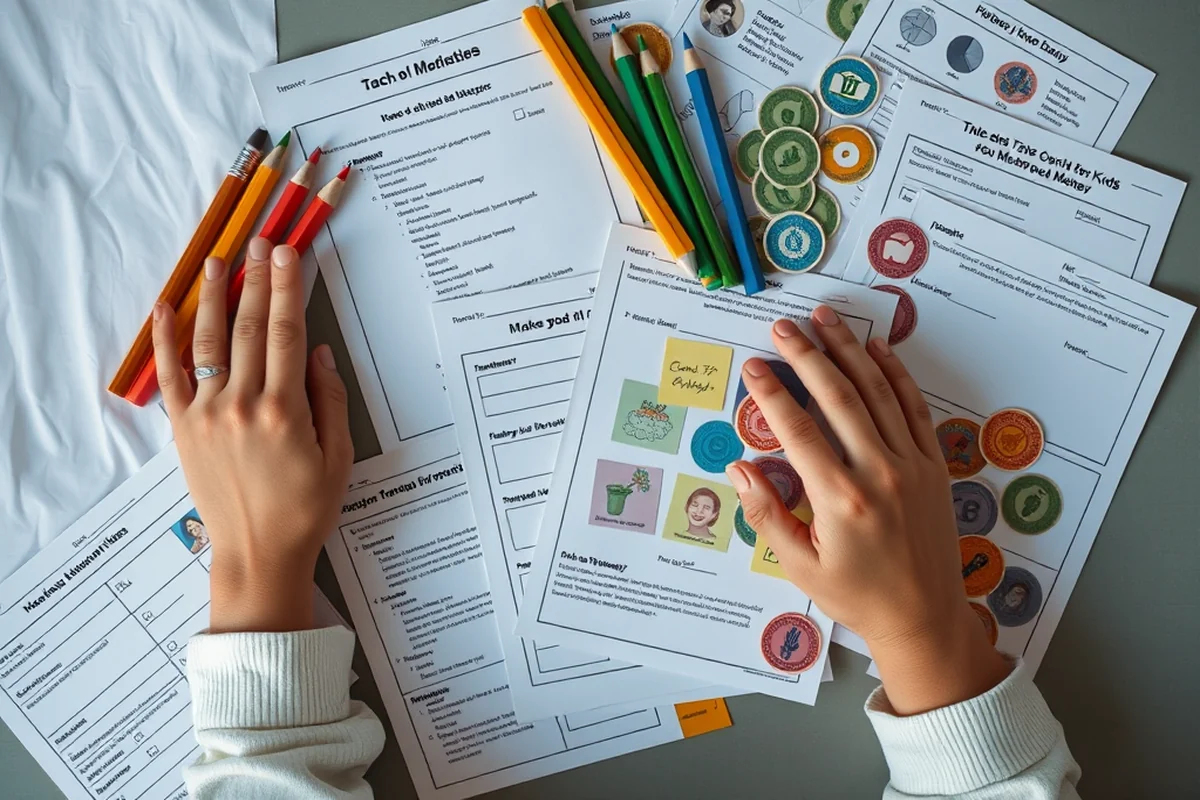
Teaching kids about earning money is an essential part of financial literacy. I started giving my daughter a small allowance for doing chores around the house, like cleaning her room or helping with the dishes. This helped her understand that money is earned through effort and responsibility.
I also set up a simple 'job board' at home where I list chores with corresponding wages. My daughter can choose which chores she wants to do and earn money accordingly. This has helped her develop a sense of value and responsibility, and it's been a great way to teach her about budgeting.
One of the most rewarding outcomes of this approach was that my daughter started saving her allowance for things she really wanted. She even began budgeting her money by setting aside a portion for savings and another for spending. This has been a powerful lesson in financial planning and responsibility.
Related: Kids problems to solve
Model Good Financial Habits
Children are constantly watching and learning from the adults in their lives. I make a point to model good financial habits by being open about my own spending and saving decisions. For example, I explain why I buy certain items and how I budget for my expenses. This helps my daughter understand that money is something to be managed wisely.
I also encourage my daughter to participate in family financial decisions. We have a small budget for groceries and household expenses, and I involve her in the process by showing her how we plan our spending. This has helped her understand the importance of budgeting and the value of making informed financial choices.
One of the most surprising results of this approach was that my daughter started asking me questions about my own financial habits. She's even begun making her own budget for her allowance, which has been a powerful learning experience for both of us.
Related: Kids with problems
Teach the Value of Charity and Giving
Teaching kids about the value of giving is an important part of financial education. I started involving my daughter in charitable activities, like donating to a local food bank or volunteering at a community center. These experiences have helped her understand that money can be used to help others in need.
I also encourage my daughter to give a portion of her allowance to a charity of her choice. This has helped her develop a sense of generosity and responsibility. She's even started setting up a small fund to support causes she cares about, which has been a powerful learning experience.
One of the most rewarding moments was when my daughter decided to donate her savings to a local animal shelter. She explained that she wanted to help the animals that needed care, and it was a beautiful reminder of the impact that giving can have on others.
Teaching kids about giving helps them understand that money is a tool for making the world a better place.
Related: For kids easy scenery drawing
Use Books and Resources to Reinforce Learning
Books are a great way to introduce financial literacy concepts to young children. I've used books like 'The Berenstain Bears' series and 'The Little Red Hen' to teach my daughter about saving, spending, and investing. These stories are engaging and make learning fun.
I also use online resources, like educational websites and apps, to supplement our lessons. These tools provide interactive lessons that help children understand money concepts in a way that's both fun and educational. They also allow me to track my daughter's progress and adjust our lessons accordingly.
One of the most valuable resources I've found is a free printable money chart that I use with my daughter. It helps her track her savings and spending goals, and it's been a great way to reinforce the lessons we've learned. This has made it easier for her to stay on track and achieve her financial goals.
👶 For Younger Kids (Ages 3-6)
Use colorful play money and simple games to teach basic concepts like counting and saving.
👦 For Older Kids (Ages 7-12)
Introduce budgeting and investing concepts through real-life examples and interactive activities.
⏱️ No-Prep Version
Use everyday situations like grocery shopping to teach money concepts without any extra preparation.
👥 Group Activity Version
Organize a classroom or family activity where kids can practice budgeting and spending in a group setting.
🚀 Extension Activity
Encourage kids to create their own savings goals and track their progress using a visual chart or app.
| The mistake | Why it happens | The fix |
|---|---|---|
| Not involving the child in financial decisions | When children are not involved in financial decisions, they may not understand the importance of budgeting and planning. This can lead to poor financial habits later in life. | Involve your child in simple financial decisions, like choosing how to spend their allowance or setting up a savings goal. This helps them understand the value of making informed choices. |
| Using too much jargon or complex terms | Using complex financial terms without explanation can confuse children and make learning difficult. This can lead to frustration and a lack of understanding. | Use simple, clear language when teaching financial concepts. Avoid jargon and explain terms in a way that your child can understand. |
| Focusing only on saving and not on spending | Teaching children only about saving can give them an incomplete understanding of money. They need to learn about both saving and spending to make informed financial decisions. | Teach your child about both saving and spending. Help them understand the importance of budgeting and making smart choices about how to use their money. |
| Not using real-life examples | Teaching money concepts in a vacuum can make learning abstract and difficult to understand. Real-life examples help children see the practical applications of what they're learning. | Use real-life situations like grocery shopping or setting up a mock bank to teach financial concepts. These experiences make learning more engaging and effective. |
How To Teach Kids About Money
Common Questions
How can I teach my child about money if I don't have a lot of resources?
At what age should I start teaching my child about money?
What are some fun activities to teach kids about money?
How can I help my child understand the value of saving?
References
- For Students | AZ Treasury Office - Arizona State Treasurer (aztreasury.gov)
- Tips for Teaching Children about Money - UF/IFAS Blogs (blogs.ifas.ufl.edu)
- Teaching Kids Money Wisdom in a Cashless World | CCU Online (ccu.edu)
- Money as You Grow - Consumer Financial Protection Bureau (consumerfinance.gov)
- Top 5 Tips for Teaching Kids Modern Money Lessons in the Digital ... (crimson.fit.edu)
Cite this guide
Teaching Vocabulary to Kids (2026). How To Teach Kids About Money. https://wordplayroom.com/how-to-teach-kids-about-money/
Feel free to cite or share this guide.