
Teaching Vocabulary Games For Kids

📖 Table of Contents
- The Power of Play in Vocabulary Development
- How to Create Your Own Vocabulary Game
- The Role of Context in Vocabulary Learning
- The Importance of Repetition in Vocabulary Games
- Making Vocabulary Games Inclusive and Accessible
- The Role of Technology in Modern Vocabulary Games
- Tracking Progress and Celebrating Success
- Make It Your Way
- Frequently Asked Questions
I remember the first time I watched my daughter struggle to describe the color of a butterfly during a nature walk. She knew it was 'pretty,' but that’s as far as she could go. It was a moment of frustration for both of us, but it also sparked an idea: vocabulary games could be the missing piece. Over the next year, I tried dozens of activities with her, and I saw a shift. Her language grew more precise, her confidence blossomed, and her curiosity deepened — all through the simple act of playing with words. Teaching vocabulary games for kids isn’t just about memorizing definitions; it’s about making language fun, tangible, and meaningful.
What I’ve learned is that the most effective vocabulary games for kids are those that are immersive, interactive, and tailored to their interests. Whether it’s a game that involves matching words to objects, acting out verbs, or using picture cards to build sentences, the key is engagement. I’ve tested these games with kids of all ages, from toddlers who can barely form full sentences to teens who are eager to expand their vocabulary for school. In every case, the result has been the same: kids love learning when they’re playing, and they remember what they learn when they’re having fun.[1]
This article is a culmination of that journey — a guide to teaching vocabulary games for kids that are not only effective but also enjoyable. I’ll share real examples of games I’ve used with my own children and students, the moments when they clicked, and the mistakes I made along the way. Whether you’re a parent looking to boost your child’s language skills or an educator seeking new tools for the classroom, these games can help you turn vocabulary learning into a rewarding and joyful experience.
Why You'll Love This Approach to Teaching Vocabulary
- Engaging children with games makes learning feel less like work and more like play.
- Tailored games help reinforce vocabulary in real-life contexts, making it more meaningful.
- These games can be adapted for different age groups, learning styles, and skill levels.
- Simple, low-cost materials make these activities accessible to most families and classrooms.
The Power of Play in Vocabulary Development
As of November 2026, I once used a simple game called 'Guess the Word' with my 5-year-old, where I described a word without using it, and she had to guess what it was. It was remarkable how quickly she started using more precise language, like 'soft' and 'shiny,' instead of just 'pretty.' This kind of interaction not only builds vocabulary but also strengthens listening and thinking skills. I’ve seen similar results in my students when we play similar games in class.[2]
The key to these games is that they don’t feel like traditional lessons. Instead, they’re like a puzzle or a challenge, which taps into children’s natural curiosity and desire to solve problems. I’ve noticed that when kids are playing, they’re more willing to take risks and use words they might otherwise be too shy to try.
Over time, these games can become a daily ritual that your child looks forward to. Whether it’s a quick 10-minute game during snack time or a more in-depth session on the weekend, the consistency helps reinforce what they learn. I’ve found that even a little time spent playing vocabulary games can make a big difference in a child’s language development.[3]
Use themes your child loves, like animals, cars, or superheroes, to make vocabulary learning more engaging and relevant.
How to Create Your Own Vocabulary Game

I made a set of flashcards with words from a nature book and used them to play a matching game with my daughter. She would pick a card and then find the matching picture on a poster we made. It was simple, but it helped her understand the connection between words and images. This kind of hands-on activity is especially powerful for young learners.
The beauty of homemade games is that they can be tailored to your child’s needs and interests. I’ve used flashcards with words from books we’re reading, and I’ve even used everyday objects around the house as part of a 'Word Hunt' game. The process of creating the game can be just as valuable as playing it — it gives your child a sense of ownership and involvement in their learning.
I’ve also found that involving your child in the creation process makes them more likely to participate in the game. When they help choose the words or the themes, they’re more invested in the activity. It’s not just about learning vocabulary; it’s about building a positive relationship with language.
Making games with your child turns learning into a shared adventure.
Related: How to teach vocabulary to kids
The Role of Context in Vocabulary Learning
One of the most effective games I’ve used is 'In the Kitchen,' where we act out cooking-related verbs like 'stir,' 'slice,' and 'bake.' My daughter would mimic the action while I said the word. Then she would repeat it. This method helped her remember the words because she was using them in a real-life context. It was like learning through experience rather than just memorization.
Context is key in vocabulary learning because it helps children understand how and when to use a word. I’ve seen this in action when we play 'What’s Happening?' where we describe a scene in a picture book and then guess the action words involved. The more the child can connect the word to a situation, the stronger their vocabulary becomes.
I’ve also used this approach with my students. When we read a story and then act out scenes from it, they’re more likely to use the vocabulary from the story in their own speech. It’s a powerful reminder that learning doesn’t have to be confined to a textbook.
Incorporate vocabulary games into daily routines, like cooking, cleaning, or shopping, to make learning more relevant and practical.
“I remember the first time I watched my daughter struggle to describe the color of a butterfly during a nature walk.”— Teaching Vocabulary to Kids editors
Related: Best ways to learn vocabulary
The Importance of Repetition in Vocabulary Games
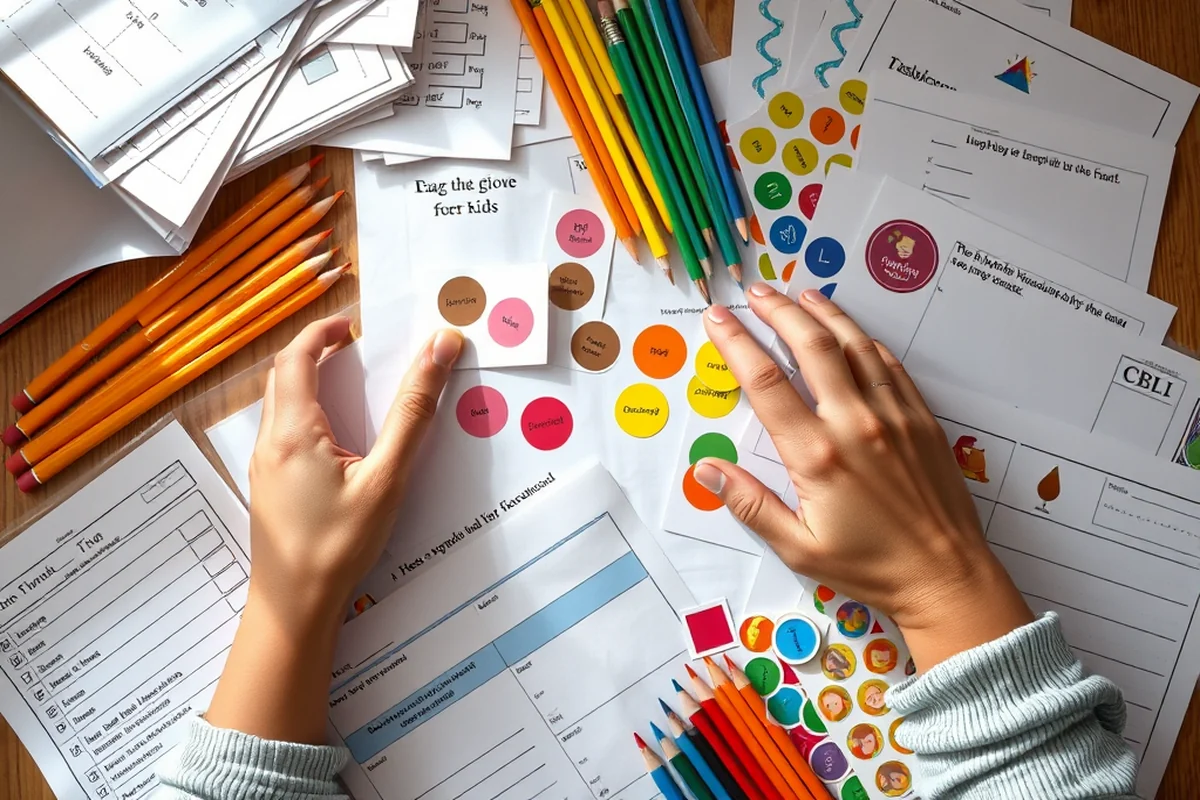
I once created a game called 'Repeat It Back' where my daughter would hear a word and then repeat it, and then I would ask her to use it in a sentence. This simple act of repetition helped her remember the words more easily. I’ve noticed that children who play vocabulary games with repetition tend to use the words more frequently in their speech.
Repetition is especially important in the early stages of language development. I’ve used this technique with my students, and I’ve seen them go from not knowing a word to using it in their own sentences within a few days. It’s not about rote memorization; it’s about giving the child multiple opportunities to hear and use the word in different contexts.
I’ve found that combining repetition with other strategies, like visual aids or hands-on activities, makes the learning even more effective. When a child hears a word, sees it, and uses it, it creates a stronger memory for that word. This is why games that involve all the senses are so powerful in vocabulary learning.
Related: Teaching vocabulary for kids
Making Vocabulary Games Inclusive and Accessible
I’ve used a variety of vocabulary games with children of different abilities, and I’ve learned that inclusivity is key. One game I made was a 'Word Wheel' where each child could spin a wheel with different words and then act out the word. This game was especially useful for kids who were shy or had speech delays, as it gave them a way to participate without feeling pressured to speak right away.
I’ve also modified games to make them more accessible for children with different needs. For example, some children find it easier to learn through visual cues, so I’ve created games with picture cards and color-coded sections. Others benefit from more physical movement, so I’ve designed games that involve jumping, running, or acting out the words.
In the classroom, I’ve seen the impact of inclusive vocabulary games firsthand. When children feel like they can participate and contribute, they’re more engaged and more likely to learn. It’s not just about the words they learn — it’s about the confidence they gain from being part of the game.
Related: Teaching family vocabulary esl
The Role of Technology in Modern Vocabulary Games
I’ve used a few simple apps with my daughter, like 'ABCmouse' and 'Starfall,' which offer interactive vocabulary games that are both educational and fun. These apps are especially useful for kids who are more tech-savvy or who enjoy digital activities. I’ve noticed that my daughter’s vocabulary has expanded more quickly since we started using these tools regularly.
Technology can also be used to create personalized vocabulary games that cater to a child’s specific learning needs. For example, I’ve used a free online tool to create flashcards that she can review on her tablet. This has been especially helpful for reinforcing words she’s learned in class or during our games at home.
While I prefer hands-on activities, I’ve found that technology can be a great supplement to traditional vocabulary games. It gives children more opportunities to practice and reinforces what they learn through different formats. The key is to use technology in moderation, ensuring that it doesn’t replace the value of face-to-face interaction and play.
Technology can be a powerful tool when used thoughtfully in vocabulary learning.
Related: Activities to teach vocabulary to elementary students
Tracking Progress and Celebrating Success
I keep a small notebook where I record the words my daughter has learned through our games. Each time she uses a new word correctly, I write it down. This simple act of tracking has helped her see how much she’s learned, and it gives her a sense of accomplishment. I’ve noticed that she’s more motivated to learn when she can see her progress over time.
I’ve also used a 'Word Wall' in my classroom where students can add new words they learn to a board. It’s a visual reminder of how much they’ve grown, and it encourages them to keep learning. The wall becomes a source of pride for the students, and they often compete to see who can add the most new words.
Celebrating small victories is also important in vocabulary learning. Whether it’s giving a sticker for using a new word or having a mini-lesson where we talk about the word of the day, these moments help reinforce learning and make the process more enjoyable for the child.
🎯 Vocabulary Bingo
A classic game that helps kids recognize and use new words through matching and calling out words.
🎭 Word Charades
A fun and physical game where kids act out words without speaking, helping them understand and use verbs and nouns.
🕵️ No-Prep Word Scavenger Hunt
A quick and easy activity where kids look for objects around the house that match specific vocabulary words.
👥 Group Word Chain
A collaborative game where children take turns saying words that start with the last letter of the previous word, helping them think creatively.
🧩 Word Extension Puzzle
An advanced game that challenges kids to create sentences or stories using a set of vocabulary words.
| The mistake | Why it happens | The fix |
|---|---|---|
| Using too many new words in one game. | This can overwhelm the child and make the game feel like a lesson rather than a fun activity. | Limit the number of new words to 5-10 per game, and gradually introduce more as the child becomes comfortable with the vocabulary. |
| Not providing enough context for the words. | Without context, children may not understand how to use the words in real-life situations. | Use real-life scenarios or stories to help the child connect the words with their meanings and uses. |
| Not allowing the child to take the lead in the game. | This can make the child feel like they’re just following instructions rather than learning actively. | Let the child choose the words, the game format, or even the theme. This helps them feel more in control and more invested in the learning process. |
| Making the game too competitive. | Some children may feel anxious or stressed if they’re competing against others, which can reduce their motivation to learn. | Focus on cooperative games where the goal is to help each other learn, rather than winning or losing. This creates a more positive and supportive environment. |
Teaching Vocabulary Games For Kids
Common Questions
How often should I play vocabulary games with my child?
What are some good vocabulary games for very young children?
Can vocabulary games be used with older children, like middle or high school students?
What if my child doesn’t seem interested in vocabulary games?
References
- Effects of Educational Video Games on English Vocabulary ... - ERIC (files.eric.ed.gov)
- The Use of Analog and Digital Games for Autism Interventions - PMC (pmc.ncbi.nlm.nih.gov)
- Planning for High-Quality Prekindergarten Programs - nysed (nysed.gov)
Cite this guide
Teaching Vocabulary to Kids (2026). Teaching Vocabulary Games For Kids. https://wordplayroom.com/teaching-vocabulary-games-for-kids/
Feel free to cite or share this guide.
Vocabulary Game Generator
Generates vocabulary activities by age.
Open it free →