
How To Teach Kids Multiplication
📖 Table of Contents
- How to Use Real-Life Examples to Teach Multiplication
- The Power of Hands-On Learning in Teaching Multiplication
- How to Incorporate Games and Play in Teaching Multiplication
- How to Use Music and Songs to Teach Multiplication
- How to Use Visual Aids to Teach Multiplication
- How to Use Stories to Teach Multiplication
- How to Reinforce Multiplication Through Practice and Review
- Make It Your Way
- Frequently Asked Questions
I remember the first time my daughter asked, 'Why do we need to learn multiplication?' I was caught off guard. That question opened a door to a deeper conversation about how math connects to the world. Teaching multiplication to kids is more than just numbers on a page — it's about building a foundation for problem-solving, logic, and confidence. It's also about finding the right way to make it fun, relatable, and accessible.
When I first tried to teach multiplication, I relied on flashcards and repetitive drills, but I quickly realized that wasn't working. My child's eyes glazed over, and I saw no understanding. It wasn't until I switched to hands-on, story-based approaches that things began to click. Multiplication is a skill that can be taught in a variety of ways, and finding the right method can transform a child's experience from frustration to fascination.[1]
Now, I use a mix of visual aids, real-life examples, and games to teach multiplication, and I've seen incredible results. My child not only understands the concept but can apply it to everyday situations. Whether we're counting apples at the grocery store or figuring out how many cookies each person gets at a party, math becomes meaningful. Teaching multiplication is an art, and with the right tools, it can be an enjoyable, life-changing process.
Why You'll Love This Approach to Teaching Multiplication
- It makes math tangible and relatable through real-life scenarios.
- It builds confidence and reduces the fear of math in young learners.
- It encourages creativity and problem-solving through varied activities.
- It provides a strong foundation for more advanced math concepts.
How to Use Real-Life Examples to Teach Multiplication
As of September 2026, I often take my child to the grocery store, where we count items in packages. For example, if a box of cereal has six servings and we buy three boxes, we multiply 6 by 3 to find out how many servings we have total. These moments help her understand that multiplication is not just abstract numbers — it's about everyday choices and decisions.
Real-life examples also make math more engaging. When we're cooking, I ask her to figure out how many eggs are needed if we're doubling a recipe. This kind of hands-on practice reinforces the concept naturally and without the pressure of a classroom setting.
Using real-life examples allows kids to see the practical value of multiplication, which increases their motivation to learn. It also helps them retain information better, as they can recall the context in which they first learned the skill.
Next time you go shopping, point out how multiplication applies to items in packages. This is a simple, effective way to make math part of daily life.
Part of our For kids diy guide.
The Power of Hands-On Learning in Teaching Multiplication
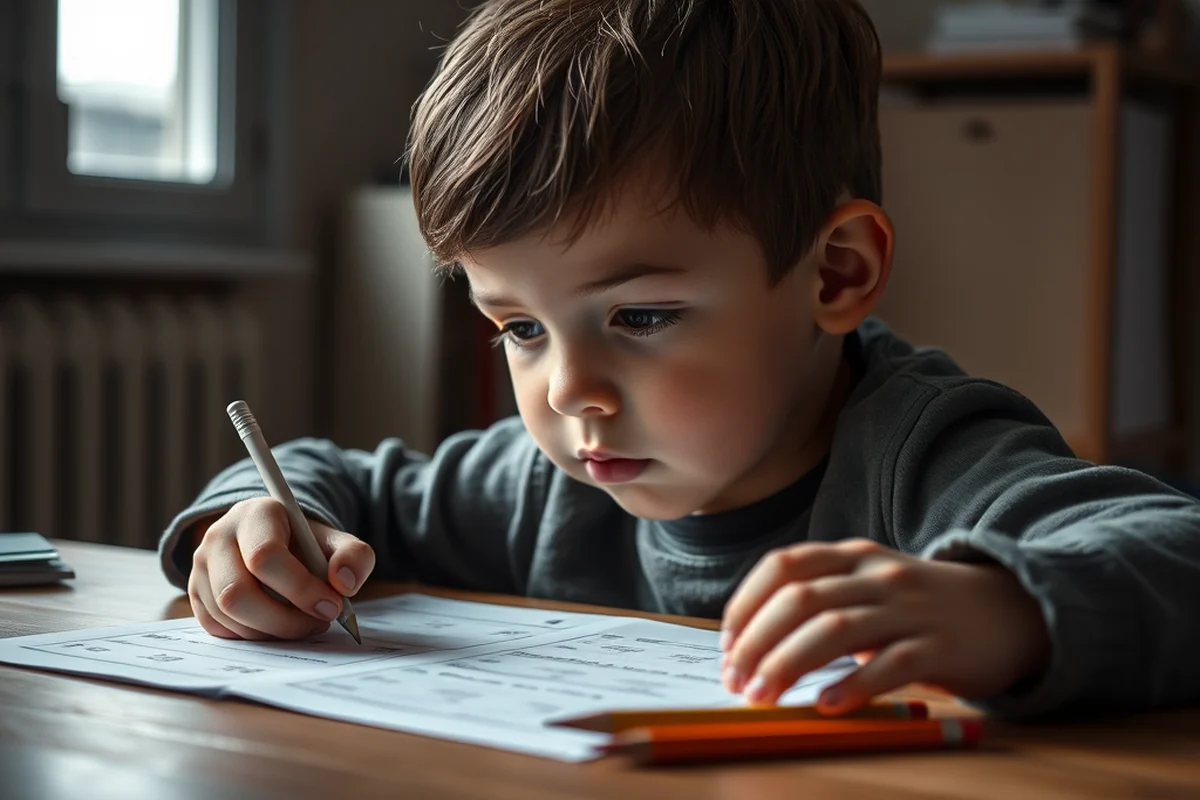
I’ve found that using manipulatives like blocks, counters, or even small toys to demonstrate multiplication makes a huge difference. For example, if we're learning 3 x 4, we can lay out four groups of three blocks each and count them together. This tactile experience helps children understand how multiplication works in a way that rote memorization never could.
Hands-on learning is especially beneficial for younger kids who are still developing their abstract thinking skills. It allows them to see and feel the math, which makes it more memorable and less intimidating.
I've noticed that after using manipulatives, my child can explain multiplication in her own words and apply it to new situations. This kind of active learning builds a strong foundation for future math concepts.
Multiplication is not just a skill — it's a way of seeing the world.
Related: Math problems to solve kids
Related: Problems to solve for kids
Related: Kids easy drawing ideas with pencil
Related: For kids easy teachers day drawing ideas
How to Incorporate Games and Play in Teaching Multiplication
I’ve created simple board games and card games that involve multiplication. One of my favorites is a game where players roll a die and move around the board, solving multiplication problems to advance. If they get it right, they move ahead; if not, they stay put. This keeps the learning process engaging and competitive in a healthy way.
I've also used online math games that are both educational and entertaining. These games often have colorful visuals and instant feedback, which helps kids learn from their mistakes without feeling discouraged.
Including games in multiplication lessons not only makes the subject more enjoyable but also reinforces learning through repetition and play. I've seen how much my child looks forward to these sessions now, and it shows in her improved confidence and speed.
Create a simple multiplication board game with your child and play it together each week. This is a fun way to bond and reinforce learning.
“I remember the first time my daughter asked, 'Why do we need to learn multiplication?' I was caught off guard, but that question opened a…”— Teaching Vocabulary to Kids editors
Related: Kids easy drawing ideas with colour
How to Use Music and Songs to Teach Multiplication
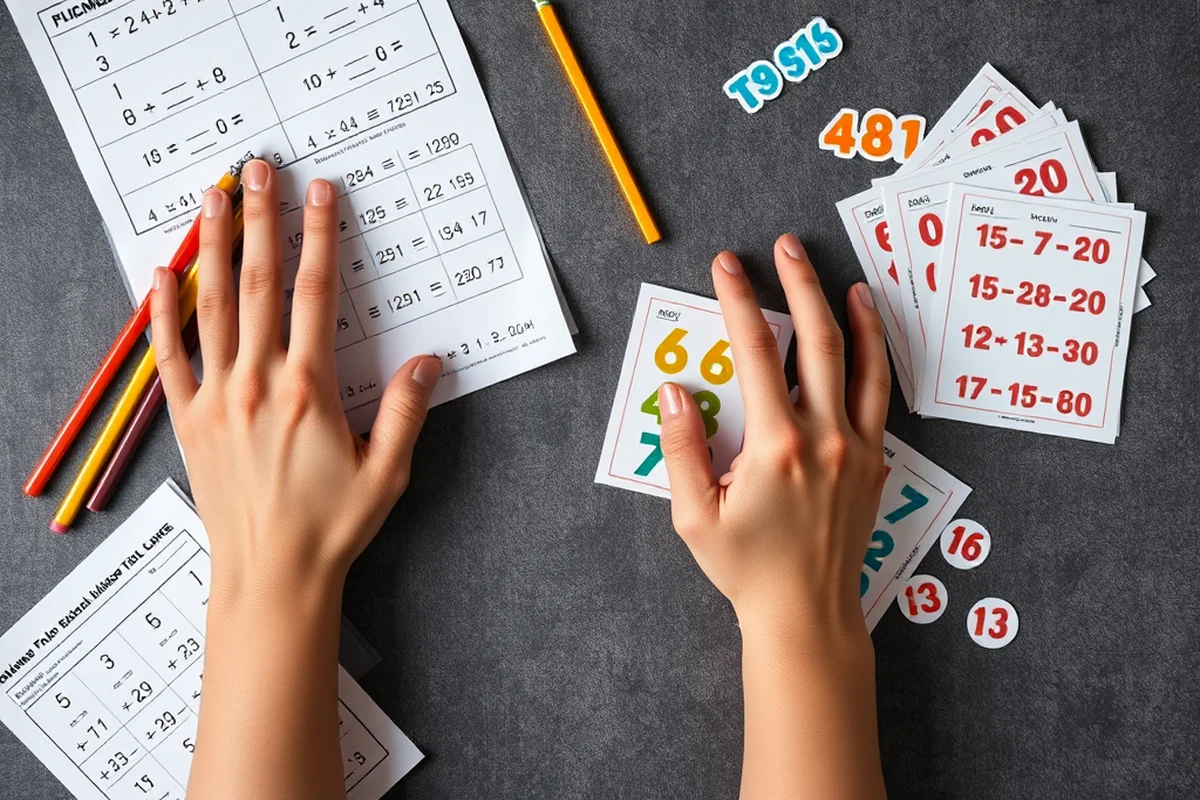
I’ve found that singing multiplication songs helps my child remember facts quickly and with ease. There are so many catchy, easy-to-learn songs available online that cover all the multiplication tables. I've even created my own simple songs using familiar tunes, which makes the learning process more personal and effective.
Music activates different parts of the brain, making it easier for kids to retain information. My child often hums the songs she learned while doing other tasks, which shows how deeply they’ve been ingrained in her memory.
Using music is a great way to make multiplication more enjoyable and less stressful. It also helps kids develop a positive attitude toward math, which can last a lifetime.
How to Use Visual Aids to Teach Multiplication
I use multiplication charts, arrays, and number lines to show how multiplication works. For instance, when teaching 4 x 5, I draw an array with five rows of four dots each. This visual representation helps my child see that multiplication is just repeated addition in a structured format.
Visual aids are especially helpful for kids who are visual learners. They allow children to see the relationships between numbers and understand the concept more deeply. I’ve noticed that my child can now solve multiplication problems faster and with more accuracy after using these tools.
Including visual aids in multiplication lessons makes the learning process more accessible and less abstract. It also helps kids develop their analytical and problem-solving skills as they study the patterns and structures in multiplication.
How to Use Stories to Teach Multiplication
I’ve started telling stories that involve multiplication, such as a tale about a farmer who needs to plant seeds in rows. If the farmer plants 4 rows with 6 seeds each, how many seeds does he need in total? These stories help my child see multiplication in action and understand its practical uses.
Stories also engage a child's imagination and make learning more enjoyable. I’ve found that my child is more willing to participate in math lessons when they're framed as exciting adventures or challenges.
Using stories to teach multiplication not only makes the concept more accessible but also helps kids develop a deeper understanding of how math applies to the world around them.
Math is not just about numbers — it's about the stories behind them.
How to Reinforce Multiplication Through Practice and Review
I make sure to review multiplication concepts daily, even if it's just for a few minutes. We go over the multiplication tables together, and I ask her to solve simple problems. This daily practice helps her build fluency and confidence.
I also use practice sheets and online quizzes to track her progress. These tools give me insights into areas where she may be struggling and allow me to adjust my teaching approach accordingly.
Consistent practice and review are key to mastering multiplication. It helps kids develop a strong foundation and ensures that they can apply their knowledge in different situations.
🧱 Hands-On Multiplication with Blocks
Use physical blocks or toys to create groups and help kids visualize multiplication.
🎵 Multiplication Songs and Rhymes
Teach multiplication through catchy songs and rhymes that are easy to remember.
🎲 Multiplication Games for Younger Kids
Use simple board games and card games to make multiplication fun and engaging for young learners.
👥 Group Multiplication Activities
Engage multiple children in collaborative multiplication activities that encourage teamwork and learning.
📖 Multiplication Through Storytelling
Use creative stories to introduce multiplication concepts and make them more relatable.
| The mistake | Why it happens | The fix |
|---|---|---|
| Relying too much on rote memorization | Rote memorization can make learning multiplication feel tedious and disconnected from real-life applications. | Incorporate hands-on activities, real-life examples, and games to make learning more engaging and meaningful. |
| Not providing enough practice and review | Without regular practice and review, children may struggle to retain multiplication facts and build fluency. | Incorporate daily practice sessions and use a variety of tools to reinforce learning and track progress. |
| Ignoring the child's learning style | Every child has a unique learning style, and ignoring this can make multiplication more challenging and less enjoyable. | Use a variety of teaching methods, such as visual aids, music, and games, to cater to different learning styles. |
How To Teach Kids Multiplication
Common Questions
What are some effective ways to teach multiplication to young children?
How can I make multiplication practice more enjoyable for my child?
What are the benefits of teaching multiplication through real-life examples?
How can I help my child build confidence in multiplication?
References
- - CONFIRMATION HEARING ON THE NOMINATION OF HON ... (govinfo.gov)
Cite this guide
Teaching Vocabulary to Kids (2026). How To Teach Kids Multiplication. https://wordplayroom.com/how-to-teach-kids-multiplication/
Feel free to cite or share this guide.