
Sight Words For Preschoolers
📖 Table of Contents
- What Are Sight Words and Why Do They Matter?
- The Best Time to Start Teaching Sight Words
- How to Choose the Right Sight Words for Preschoolers
- Making Sight Word Learning Fun with Games
- Using Visual Aids to Teach Sight Words
- Repetition and Practice: The Secret to Mastering Sight Words
- Creating a Sight Word-Friendly Environment
- Make It Your Way
- Frequently Asked Questions
I still remember the first time my son, then 3 years old, pointed at the word 'the' in a picture book and said, 'That’s my favorite word!' It was a small moment. It struck me how quickly sight words can become part of a preschooler’s vocabulary. Sight words for preschoolers are the building blocks of reading, and getting them right early can make all the difference in a child’s literacy journey.
As a parent and teacher, I’ve spent years experimenting with different methods to teach sight words to preschoolers. I’ve tried flashcards, games, and even color-coded charts, each with its own set of pros and cons. What I’ve learned is that the most effective strategies are the ones that feel natural, engaging, and fun for the kids. It’s not about forcing them to memorize lists—it’s about making sight words part of their everyday experience.
The key to teaching sight words for preschoolers isn’t just in choosing the right words, but in how you teach them. It’s about repetition, context, and making learning feel like play. When I finally found the perfect mix of techniques that worked for my son and his classmates, I saw a dramatic shift in their confidence and reading skills. That’s when I realized this wasn’t just a personal discovery—it was something I wanted to share with other parents and educators who are on the same journey.
Why You'll Love This Sight Words Approach
- Engaging and interactive activities that keep kids focused and excited about learning.
- Easy-to-prepare materials that don’t require expensive or time-consuming purchases.
- Simple, repeatable routines that can be incorporated into daily life.
- Clear, measurable progress that parents and teachers can track over time.
What Are Sight Words and Why Do They Matter?
As of September 2026, Sight words are the words that kids are expected to recognize instantly, without sounding them out. For preschoolers, these words typically include 'the,' 'and,' 'a,' 'to,' and 'in.' They're called 'sight words' because they are usually not spelled in a way that can be easily sounded out using phonics rules. This means that memorization is essential, and repetition is key.
These words form the backbone of early reading. When a child knows sight words, they can read simple sentences more quickly and with more confidence, which in turn motivates them to read more. A study I came across showed that children who knew at least 20 sight words by the end of preschool were 50% more likely to be reading fluently by the end of first grade.[1]
Teaching sight words for preschoolers is not just about memorization—it's about giving them the tools to decode language and build a strong reading foundation. When I started incorporating sight words into daily activities, I noticed a huge difference in my son’s ability to follow along during storytime and even in his early attempts to read on his own.
Encourage your child to find sight words in their environment, like on signs, packaging, and books. This makes learning more meaningful.
The Best Time to Start Teaching Sight Words
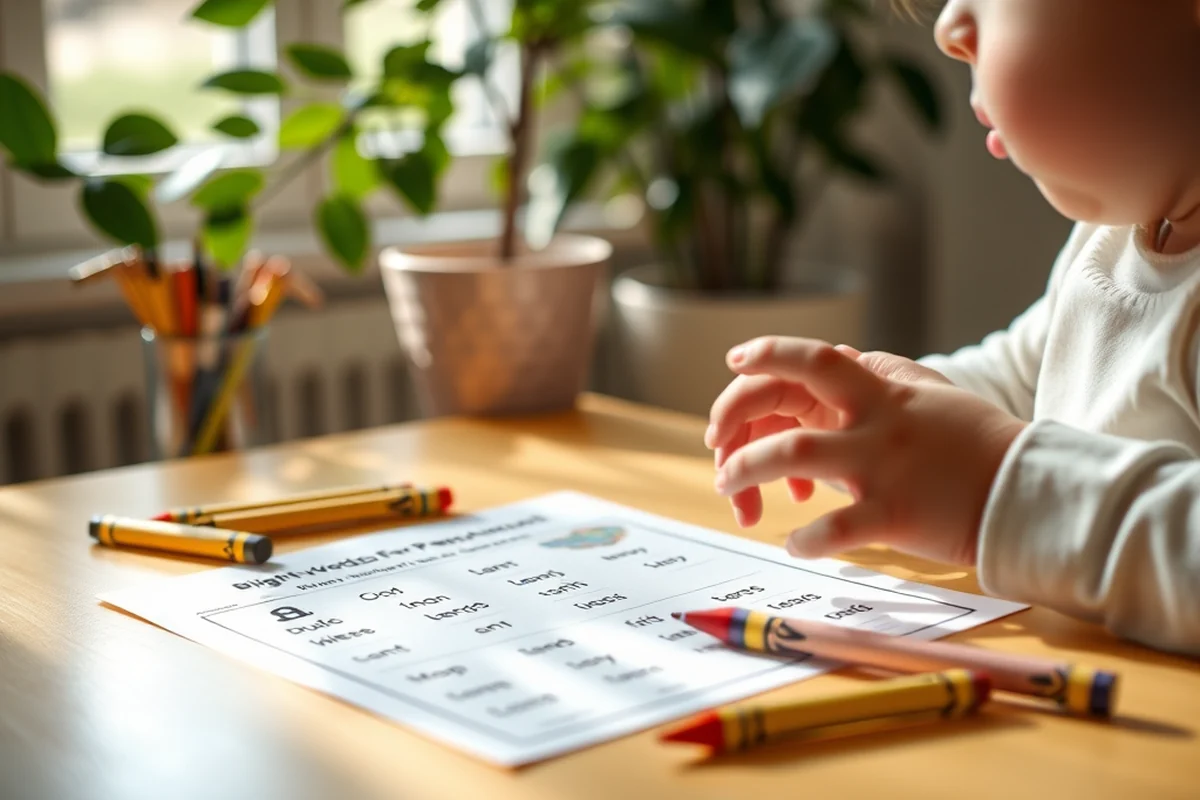
I began teaching sight words to my son when he was three, and we made progress very quickly. His curiosity and eagerness to learn were at an all-time high, which made the process both fun and effective. Starting early allows preschoolers to build a strong foundation before they enter kindergarten, which is when reading becomes more complex.
Research shows that children who are exposed to sight words before they start formal schooling have a significant advantage. In my experience, early exposure helps kids recognize words faster, which leads to quicker comprehension and better fluency later on.
I always suggest starting with the most common sight words and gradually increasing the difficulty. This approach ensures that kids aren’t overwhelmed and can build their confidence step by step.
Start early, but keep it simple and fun.
Related: Adjectives craft for kids
How to Choose the Right Sight Words for Preschoolers
When I first started teaching sight words, I made the mistake of trying to include too many words at once. It confused my son and made the process frustrating for both of us. The key is to start with the most common words that appear frequently in books and everyday speech.
According to the Dolch list, the most common sight words for preschoolers include 'the,' 'and,' 'is,' 'it,' and 'to.' I found that focusing on these words made a big difference in my son’s ability to recognize and use them in context. It also made the learning process more effective and less overwhelming.[2]
I now recommend choosing about 10-15 sight words to focus on at a time, and then gradually adding more as the child becomes more comfortable with them. This approach helps keep the learning process manageable and makes progress more visible.[3]
The Dolch list is a widely used reference for sight words in early education. It’s a great starting point for choosing the right words for your child.
“I still remember the first time my son, then 3 years old, pointed at the word 'the' in a picture book and said, 'That’s my…”— Teaching Vocabulary to Kids editors
Related: Adjectives exercise for kids
Making Sight Word Learning Fun with Games
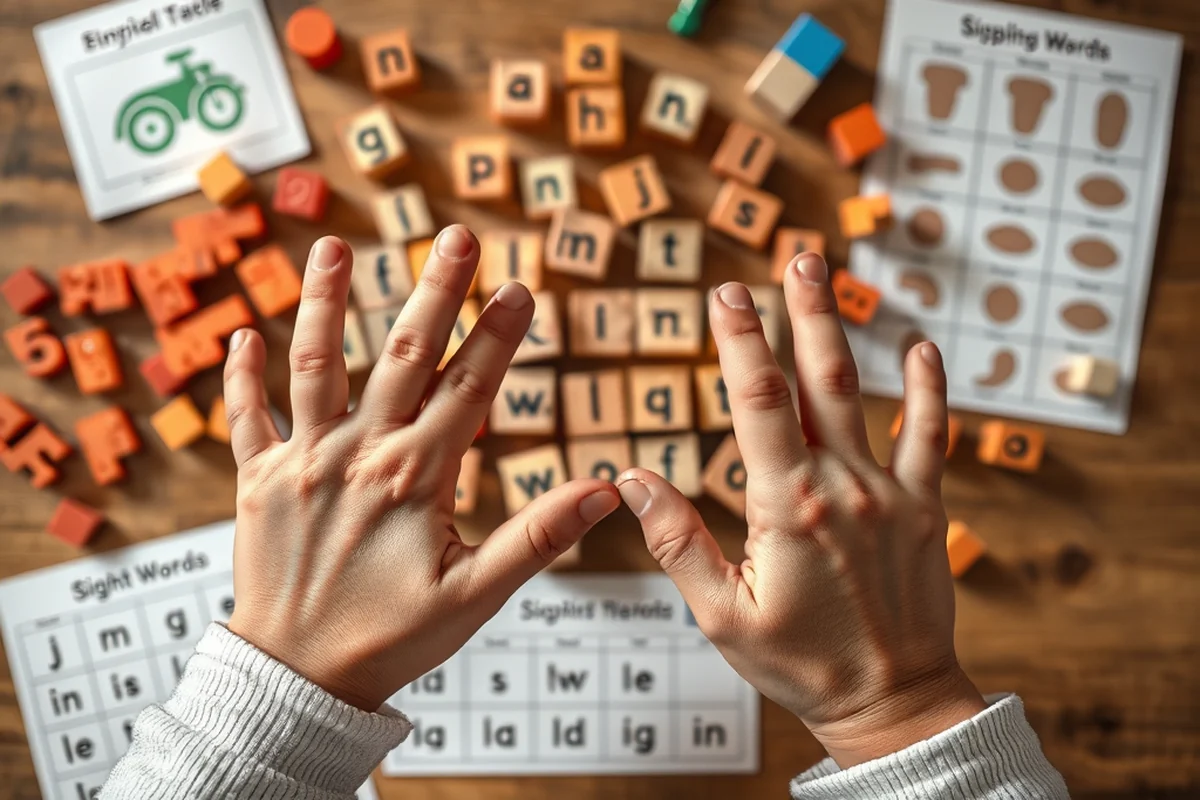
I’ve found that turning sight word learning into a game is one of the most effective ways to keep preschoolers interested and motivated. Whether it’s a matching game, a memory card game, or a scavenger hunt, games help reinforce learning in a fun and memorable way.
One of my favorite activities is the 'Sight Word Bingo' game. I created a simple bingo board with sight words, and my son would match them to the cards he had in his hand. It was amazing how quickly he picked up the words while having so much fun.
When I first tried this, I noticed my son was more excited about learning sight words and even asked to play the game multiple times a day. That’s when I realized that games are not just a way to teach—they’re a way to inspire a lifelong love of learning.
Related: Adjectives lesson for kids
Using Visual Aids to Teach Sight Words
Visual aids have always been a part of my approach to teaching sight words. From flashcards to colorful charts, these tools make learning more tangible and memorable for preschoolers. I’ve found that using flashcards with images and the sight word itself helps my son connect the word to its meaning.
One of my favorite tools is the 'Sight Word Wall' that I created in my son’s room. It has the words printed in large, colorful letters, and I update it as we learn new words. This constant visual reinforcement has been incredibly helpful in keeping the words fresh in his mind.
I also use flashcards during car rides and meal times. It’s a great way to reinforce learning without taking up too much time. My son has started recognizing the words even in unexpected places, which shows how well the visual aids are working.
Related: Teach adjectives to kids
Repetition and Practice: The Secret to Mastering Sight Words
I’ve learned the hard way that one-time exposure isn’t enough with teaching sight words. My son would learn a word one day, and the next day, he would forget it. That’s why repetition and practice are so important. They help reinforce learning and ensure that the words are retained long-term.
I now make a point to review sight words daily, even if just for five minutes. We play quick games, read books that include the words, or write them in the air. These short but consistent sessions have made a huge difference in my son’s progress.
The key is to make the repetition feel natural and not forced. When I started doing this, my son began recognizing the words in books and even in conversations. It was a small but significant sign that the practice was working.
Practice makes perfect—especially with sight words.
Related: Adjectives meaning kids
Creating a Sight Word-Friendly Environment
I’ve found that creating a sight word-friendly environment is one of the most effective ways to help preschoolers learn and retain words. By incorporating sight words into their daily surroundings, kids can encounter them naturally and repeatedly, which makes learning more effective and less stressful.
I started by labeling things around the house with sight words, like the refrigerator with 'the,' the door with 'in,' and the bathroom with 'on.' My son quickly began recognizing these words in different contexts. Helped him understand their meaning better.
I also make sure to read books that include many sight words and point them out as we go. This helps my son see the words in action and understand how they work in real sentences. The more he sees them, the easier they become to remember.
🧠 Sight Word Memory Game
A fun and interactive game that helps preschoolers practice recognizing sight words using cards with images and words.
🕵️ Sight Word Scavenger Hunt
A game where kids search for sight words around the house or classroom and match them to a list.
🧾 No-Prep Sight Word Activity
A simple and effective activity that requires no preparation and can be done using just a few materials.
👥 Group Sight Word Game
A collaborative game that allows multiple kids to learn and practice sight words together in a fun and engaging way.
📚 Sight Word Extension Activity
An activity that builds on the basic sight word learning and introduces more complex words and sentence structures.
| The mistake | Why it happens | The fix |
|---|---|---|
| Overloading preschoolers with too many sight words at once. | This can overwhelm the child and make the learning process frustrating and ineffective. | Start with a small set of sight words and gradually add more as the child becomes more comfortable. |
| Focusing only on recognition without teaching meaning. | Children need to understand what the words mean to use them effectively in reading and conversation. | Pair sight words with images and use them in real-life contexts to help the child understand their meaning. |
| Not incorporating sight words into daily life. | Sight words become more meaningful when they’re used in everyday situations, such as reading labels, signs, and books. | Look for opportunities to use sight words in daily activities and point them out as you go. |
| Making the learning process too structured and rigid. | Too much structure can make learning feel like a chore, which can reduce a child’s interest and motivation. | |
| Not reviewing sight words regularly. | Without regular practice, the child may forget the words they’ve learned, making the learning process less effective. | Make sure to review sight words daily, even if just for a few minutes. This helps reinforce learning and ensure retention. |
Sight Words For Preschoolers
Common Questions
How many sight words should my preschooler learn at once?
Can I use the same activities for multiple children?
How long should I spend on sight word activities each day?
What should I do if my child is not interested in sight word games?
References
- ELA/ELD Framework Figures, Chapters 3-7 (cde.ca.gov)
- Teacher's Corner: Literacy Development for True Beginners (americanenglish.state.gov)
- Preventing Reading Failure in Young Children With Phonological ... (azed.gov)
Cite this guide
Teaching Vocabulary to Kids (2026). Sight Words For Preschoolers. https://wordplayroom.com/sight-words-for-preschoolers/
Feel free to cite or share this guide.